Invited Speakers

Plenary Speakers
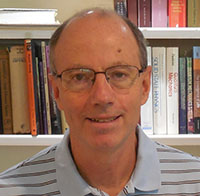
Robert Tycko – National Institute of Health

Robert Tycko is a Distinguished Investigator in the Laboratory of Chemical Physics, NIDDK, a biophysics/biophysical chemistry research department on the main NIH campus near Washington, DC. His lab has made numerous contributions to nuclear magnetic resonance (NMR) and its applications in physical and biological sciences. Structural studies of amyloid-b fibrils associated with Alzheimer’s disease, including fibrils derived from human brain tissue, have been a major effort for the past 25 years. Recent work focuses on “time-resolved solid state NMR” techniques for studying unidirectional processes such as protein folding, peptide/protein complex formation, and amyloid self-assembly. Tycko’s lab also explores the application of low-temperature dynamic nuclear polarization in magnetic resonance imaging (MRI), recently setting a new record for spatial resolution in inductively detected MRI (1.7 microns in three dimensions). Tycko is a member of the U.S. National Academy of Sciences and Past President of the International Society of Magnetic Resonance.
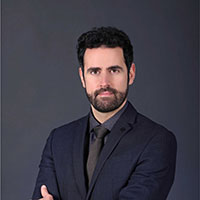
Nikolaos Sgourakis – University of Pennsylvania

Dr. Sgourakis’ earned his PhD in Biology from Rensselaer Polytechnic Institute with Angel Garcia in 2009, focusing on blending simulation and experimental approaches to study intrinsically disordered proteins. Under mentorship from Nobel Laureate David Baker, he focused on modeling the structures of protein complexes using sparse data, and completed his training with Adriaan Bax at the NIH, he explored uses of biomolecular NMR spectroscopy for understanding viral immune evasion mechanisms. These experiences laid the foundation for his independent research program focusing on deciphering and targeting the MHC-I antigen progressing and presentation pathway.

During his 5-year tenure at the University of Pennsylvania and Children’s Hospital of Philadelphia, Dr. Sgourakis has steered his work toward immunotherapy applications against pediatric solid tumors, ensuring that his discoveries have real-world therapeutic impact. Dr. Sgourakis’ Lab is part of two international Teams that were selected by the international Cancer Grand Challenges consortium in 2022, and 2024 aiming to develop T cell-based therapeutics. His lab blends structural biology, with computational and protein engineering approaches aiming to restore immune surveillance of intracellular driver oncoproteins in solid tumors.


Invited Speakers

Moriah Beck is currently the Talaty Endowed Professor of Chemistry and Biochemistry at Wichita State University. She earned her B.S. in forensic science from Eastern Kentucky University, Ph.D. in biochemistry from Washington University in St. Louis, and completed postdoctoral training at the University of North Carolina at Chapel Hill. Her research focuses on understanding how actin-binding proteins such as palladin regulate the organization and dynamics of the actin cytoskeleton. She has maintained continuous NIH funding since her postdoctoral training and has mentored more than 80 undergraduate and graduate students.

Sarah Keane is an Associate Professor of Chemistry and Biophysics at the University of Michigan, where her group is focused on understanding how RNA structure directs the function of biologically relevant non-coding RNAs. Sarah’s scholarship has been recognized with awards from a range of different communities, including the Pew Biomedical Scholar Award, the Cottrell Scholar Award, Ralph E. Powe Junior Faculty Enhancement Award, an NSF CAREER Award, and an NIH R35 Award. She has also been recognized for her leadership and commitment to improving student success and climate with a PACE fellowship from Rackham Graduate School and as a LSA LEAD Fellow. She received her undergraduate degree in Chemistry at Furman University, her PhD in Chemistry from Indiana University, and completed her postdoctoral training at the University of Maryland, Baltimore County. Sarah currently serves as the Associate Director of Biophysics and Director of Graduate Studies for Biophysics at the University of Michigan.

Ishwar Radharkishnan is a Professor in the Department of Molecular Biosciences at the Weinberg College of Arts & Sciences at Northwestern University.  He trained with Dr. Dinshaw Patel at Columbia/Sloan Kettering for his PhD and Dr. Peter Wright at Scripps before joining Northwestern in 1998.  His lab is primarily focused on eukaryotic transcription biology with an emphasis on the structural and dynamical aspects of protein-protein and protein-nucleic acid interactions.  His lab leverages structural biology tools including solution NMR, x-ray crystallography, and more recently, electron microscopy, for these studies although NMR remains a strong focus in the lab, given its unique strengths that readily affords characterization of dynamical systems.  The lab is particularly interested in the application of methodologies that provide structural insights on an accelerated timescale than traditional methods.

Fernando Estrada trained in NMR spectroscopy at the University of Kansas with Dr. Roberto De Guzman, followed by postdoctoral training with Dr. Emily Scott, where he began his study of cytochrome P450 structure and function. Fernando began an independent position at the University at Buffalo in 2016. His group uses NMR spectroscopy among other tools to study mitochondrial cytochromes P450 that are involved in vitamin D metabolism. His group also investigates the structures of bacterial cytochromes P450 with the long-term goal of designing selective inhibitors for the treatment of disease.

Frederic Perras is a staff scientist at Ames National laboratory where he is the group leader of the solid-state NMR group. He is also an adjunct associate professor at Iowa State University.Joshua Ziarek Broadly speaking, my research interests are in the characterization of biomolecular interactions and the rational design of molecular therapeutics and tools – with a long-standing interest in G protein-coupled receptors (GPCRs). My fascination in the GPCR superfamily began with my graduate training in Prof. Brian Volkman’s lab at the Medical College of Wisconsin (MCW). My thesis combined NMR with conventional biochemical and biophysical methods to rationally-design therapeutic leads targeting chemokine receptor GPCRs. In 2012, I selected to continue my training in Prof. Gerhard Wagner’s group at Harvard Medical School where I was awarded a NIH Ruth L. Kirschstein National Research Service Award (NRSA) Postdoctoral Fellowship followed by a K99/R00 Pathway to Independence Award in 2015. My postdoctoral research led to the development and implementation of state-of-the-art NMR pulse sequences for the structural and dynamic characterization of large, challenging proteins. At Northwestern University, we continue to explore the molecular mechanisms of GPCRs and related proteins while expanding the NMR toolbox.